Some people need years. Some people walk out of the veterinary clinic and drive, red-eyed, straight to a shelter — and both can be exactly right. Readiness after pet loss is not a date on a calendar; it is a question of what the new animal would be for.
This guide walks through that question honestly: the signs you are ready and the signs to wait, how to include everyone in your household, how to choose an animal who suits the life you have now, what the first weeks are really like, and how to keep your old friend’s memory in its place while a new bond grows.
The one honest question
Ask yourself: am I looking for a new relationship, or trying to continue the old one?
A new pet cannot be a replacement, and the surest way to be unfair to a wonderful animal is to hire them for a role they can never fill. The new cat will sit on the wrong windowsill. The new dog will ignore the ball your old friend worshipped. If you can read that sentence with curiosity — who will this new creature turn out to be? — you are probably ready. If it stings like disloyalty, your grief may simply need more room first.
There is one more quiet truth worth saying plainly: adopting again is not a betrayal. It is the opposite. It means the love your pet gave you left you with more love to give, not less. Somewhere in a shelter is an animal whose whole life will change because your old friend taught you how to care for one.
Signs you’re ready — and signs to wait
Grief and readiness are not opposites; most people who adopt again are still grieving. The question is whether there is room alongside the grief.
You’re likely ready when
- you catch yourself smiling at other people’s dogs or cats again;
- you can talk about your lost companion with more warmth than pain;
- the quiet in the house feels empty rather than sacred;
- you find yourself curious about a new animal’s personality, not hoping for a copy;
- you have the time, energy and money for the first months, which are often the most demanding.
It may be better to wait when
- the adoption impulse feels like anaesthesia for fresh grief;
- the loss was days ago and the urge is overwhelming;
- anyone in the household — human or animal — is still visibly struggling;
- you find yourself searching for an animal that looks exactly like the one you lost;
- your circumstances are about to change: a move, a new baby, a new job, a health issue.
Waiting is not failure. Some people find that fostering, volunteering at a shelter or pet-sitting for a friend gives them the warmth of an animal’s company while their own grief settles.
Everyone in the household gets a vote
A new animal joins a whole home, so readiness has to be shared.
Partners and adults may grieve on different timelines. One person wants a new puppy next week; the other can’t yet look at the empty bed. Talk about it openly, and be wary of surprising a grieving partner with a new pet.
Children often ask for a new pet quickly, sometimes as their way of feeling better. Take the wish seriously, but explain that a new animal will be its own friend, not the old one come back. Involving children in choosing and preparing — a new name, a new bowl — helps them understand that.
Surviving pets have their own grief and their own temperaments. Give them a few weeks to settle into the new shape of the household before adding someone new. When you do, choose a newcomer whose age and energy suit them, ask the shelter whether the animal has lived with dogs or cats before, and plan gradual introductions with separate spaces and plenty of time.
Choosing the right animal for your life now
Your life may have changed since you last adopted — perhaps by a decade or more. Choose for the life you have, not the one you had.
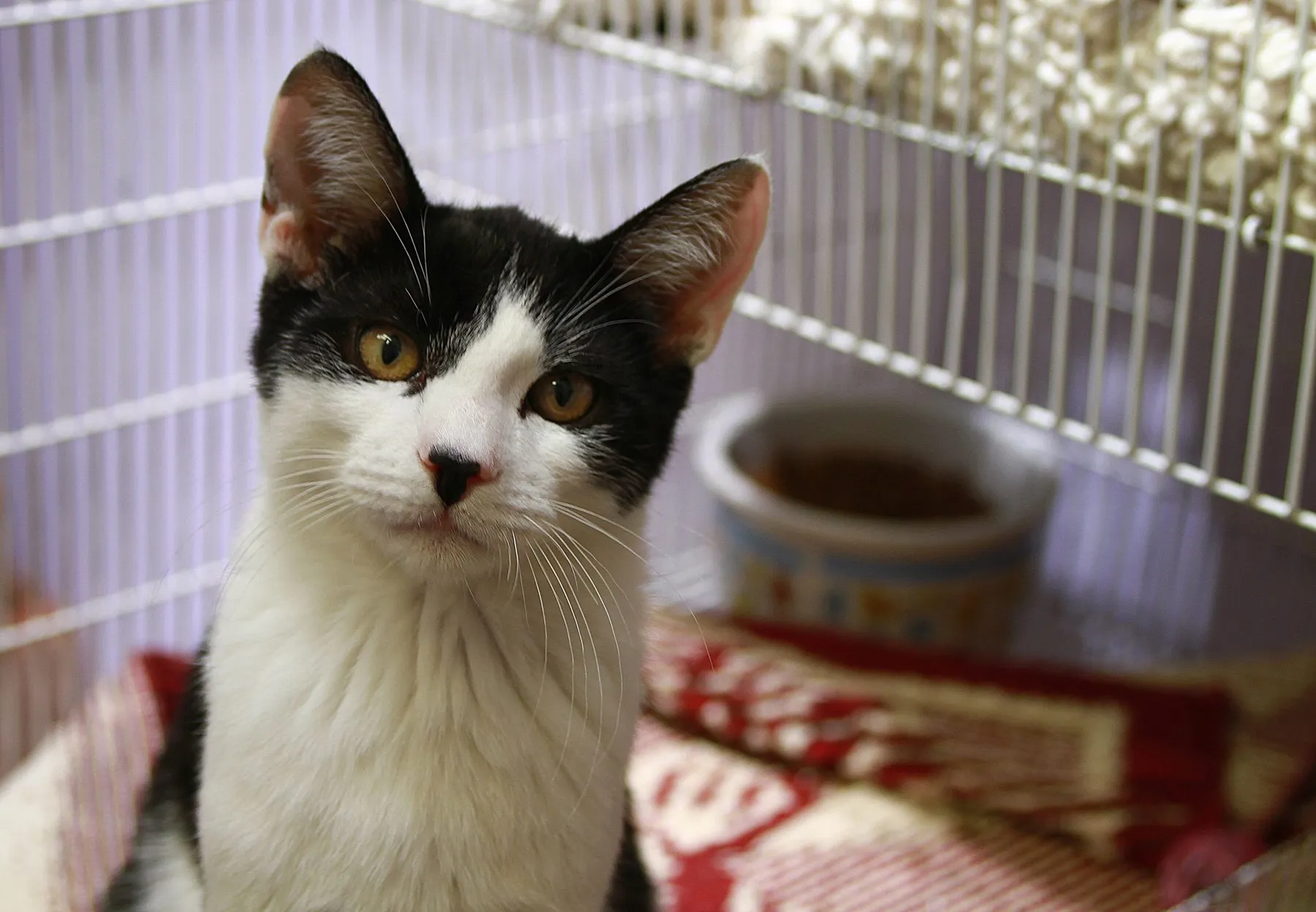
- Consider a different look. Many adopters find that a pet who strongly resembles the one they lost invites painful comparison. A different colour, breed, or even species gives the new relationship its own ground.
- Think about age. Puppies and kittens are joyful and exhausting. Adult animals often have known temperaments; seniors are frequently overlooked and can be the gentlest companions of all. If your last pet was elderly and ill, ask yourself honestly whether you are ready for another senior — or whether that is exactly what you want to give.
- Be realistic about energy and time. A young working-breed dog needs hours of exercise and training every day; an older cat may be content with a sunny windowsill and your evenings.
- Plan the budget. Adoption fees are usually modest, but vaccinations, neutering, food, insurance and equipment add up. Knowing the costs in advance keeps worry from crowding out the joy.
- Talk to the people who know the animals. Shelter and rescue staff spend every day with the animals in their care. Tell them about your home, your routine and your loss; they are often very good at suggesting a match.
Making it gentler
- Visit without committing. Shelters welcome visits. Sit with a few animals. The right one often chooses you — and if nobody does, you’ve lost nothing but an afternoon.
- Try fostering first. Many rescues need foster homes. Fostering lets you share your home with an animal without the full weight of a lifelong decision, and “foster fails” — families who end up adopting — are common and celebrated.
- Adopt the animal in front of you. Learn their quirks as theirs. New name, new bowl, new routines; keep the old leash in the memory box, not on the hook.
- Go slowly with the first days. Choose a quiet weekend to bring them home, rather than a busy holiday.
Preparing your home before day one
A little preparation makes the first days calmer for everyone — and gives your hands something useful to do while your heart adjusts.
- Book a vet visit for the first week or two, even if the shelter has already examined the animal. It starts the relationship with your clinic and gives you a baseline.
- Ask what they eat now and buy the same food, changing it gradually later if you need to. A sudden change of diet on top of a new home upsets many stomachs.
- Update the ID. Make sure the microchip is registered to you and order a tag with your phone number. Newly adopted animals are most likely to slip out in the first weeks.
- Create a safe space: a quiet room or corner with a bed, water and, for a cat, a litter tray, where the new animal can retreat without being disturbed.
- Check the house and garden for hazards — gaps in fences, toxic plants, cables, open windows — especially if your last pet was elderly and you had stopped thinking about them.
- Decide on house rules together — sofa or no sofa, who walks and feeds when — so the new animal hears one consistent message.
The first weeks together
Many shelters describe the adjustment of a newly adopted animal with a simple rule of thumb: three days, three weeks, three months. In the first three days, an animal may be overwhelmed, hide, or not eat much. Over the first three weeks, they begin to learn your routine and show more of their personality. By around three months, many feel truly at home. Knowing this helps you avoid judging the relationship too early.

Expect some waves of your own, too. The first time the new dog does something your old dog used to do — or does it completely differently — grief may surprise you. You might feel guilty when you laugh at the new kitten, or when you realise you haven’t thought about your old friend all day. That is not forgetting. It is life continuing, which is what your old friend would have wanted for you.
A few things help: build new routines rather than copying old ones exactly; take lots of photos of the new animal, so they have their own story; and be patient with both of you. If the match truly isn’t working after a fair amount of time, talk to the shelter — responsible rescues would much rather help than see an animal or a family struggle in silence.
Keeping the memory alongside the new bond
Let the memorial stand. A photo on the shelf or a memorial page online is not a shrine that blocks the future — it is proof to yourself that pets here are loved for life, and are never replaced, only joined. If you haven’t yet, you can create a memorial for the friend who came before, and visit the Wall of Remembrance whenever you want to feel close to them.
Some families keep a small ritual for the pet they lost — a candle on the anniversary, a walk to their favourite place — while the new animal builds a routine of their own. Others tell the new pet, out loud and a little sheepishly, about the friend who taught them everything. All of it is fine. If grief is still heavy, our guide to grieving a pet may help, and if your new companion ever grows old in your care, our guides to knowing when it’s time and understanding pet cremation will be here.
The old friend’s last gift
Grief and love are the same current flowing in different directions. When you are ready — at your pace, on your terms — walking into a shelter is a way of letting that current flow outward again. Your next companion will never know the friend who came before them. But they will live their entire life in the shelter of what that friend taught you.
That is not replacement. That is legacy.
This guide offers general information. If you’re unsure whether a particular animal suits your home, talk to the shelter or rescue staff, or to your veterinarian.


.jpg)

.jpg)